
Understanding the psychology behind gambling behavior in casinos
Understanding the psychology behind gambling behavior in casinos
The Allure of Gambling: What Draws People In
The excitement of gambling is often rooted in the psychological thrill it offers. The allure comes from the possibility of winning big, which can evoke intense emotions ranging from hope to exhilaration. This experience is further amplified by the sensory environment of casinos, where lights, sounds, and even smells are carefully designed to create a stimulating atmosphere. The unpredictability of games keeps players on edge, enhancing the excitement and often leading them to lose track of time. For instance, visiting a truefortune casino can heighten this experience with various gaming options.
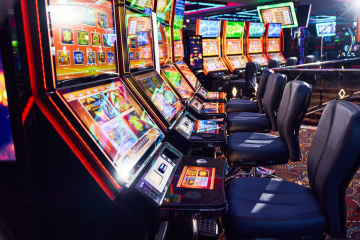
Various psychological triggers play a significant role in gambling behavior. One of the most influential is the concept of variable reinforcement, where players receive rewards at unpredictable intervals. This unpredictability can create a strong compulsion to continue playing, as each game could be the one that leads to a significant win. The intermittent reinforcement schedule activates the brain’s reward pathways, similar to how addiction is formed in other behaviors.
Another critical factor is the illusion of control. Many gamblers believe they can influence the outcome of games, particularly in skill-based games. This belief can encourage them to gamble more, as they feel empowered by their perceived ability to sway the odds in their favor. This illusion often leads to persistent play, even when the odds are not in their favor.
Social factors significantly impact gambling behavior. Friends and family can influence an individual’s decision to gamble, whether through encouragement or shared experiences. In many cases, the social aspect of gambling serves to enhance its appeal, making it a communal activity rather than a solitary one. This social reinforcement can diminish personal accountability and heighten the risk of developing problematic gambling habits.
Additionally, cultural perceptions of gambling contribute to behavior. In societies where gambling is celebrated or normalized, individuals may feel more inclined to participate, often justifying their behavior through societal acceptance. Understanding these social dynamics is essential to grasp how they shape an individual’s gambling experience and their potential for addiction.
Emotional states significantly influence gambling behavior. Many people turn to gambling as a way to cope with negative feelings such as sadness, anxiety, or boredom. This reliance on gambling as a coping mechanism can quickly spiral into addiction, as individuals seek solace in games to alleviate emotional distress. The temporary relief provided by gambling can lead to a cycle of playing more to escape negative emotions, which can worsen over time.
Conversely, positive emotions can also drive gambling behavior. Celebrating a success or a happy occasion may lead individuals to engage in gambling as a way to enhance their joy. However, this can lead to overindulgence and risky behavior, particularly if players begin to associate gambling with their emotional highs. Understanding the connection between emotional well-being and gambling is crucial for promoting healthier gambling habits.

At TrueFortune Casino, the well-being of our players is paramount. We provide a safe and regulated environment for online gaming, ensuring that our users can enjoy a variety of games responsibly. With over 400 gaming options, including slots and live dealer games, we aim to cater to different tastes while promoting healthy gaming practices.
Our platform is designed with features that support responsible gaming, including self-exclusion tools and informative resources about gambling addiction. We believe that understanding the psychology behind gambling behavior is essential for fostering a safe gaming community. Join us today to explore exciting games while prioritizing your gaming experience responsibly.
“`