
What Is Alcoholic Nose? Causes, Symptoms, and Treatment
Rhinophyma is classified as a subtype of rosacea, marked by thickened skin and changes primarily around the nose. It represents an advanced stage of acne rosacea and is more accurately characterized by symptoms like telangiectasias, sebaceous hyperplasia, and erythematous changes in the nasal area. The name rhinophyma derives from the Greek words for nose (‘rhis’) and growth (‘phyma’), reflecting the condition’s nature. If you are concerned about alcoholics nose or wondering what the condition is, you’ve come to the right place! In this https://sencibio.com/overview-of-chronic-alcohol-use-summary-of/ article, we will go over what alcoholic nose is, how it is caused, the symptoms of the condition, how to prevent it, and how to treat it. We will also provide the answers to some frequently asked questions about alcoholics nose.

Why do alcoholics get a red nose?
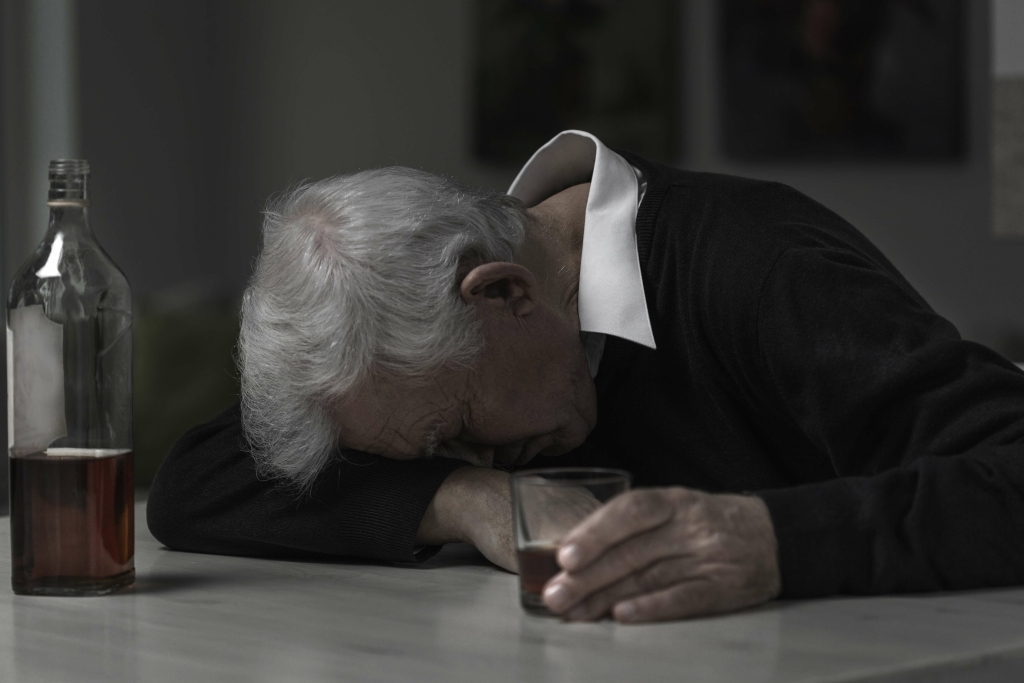
Another factor linked to liver dysfunction and skin redness is the impaired production of certain proteins and enzymes. The liver is responsible for synthesizing proteins that regulate blood clotting and maintain the integrity of blood vessels. When liver function is compromised, these proteins are not produced in sufficient quantities, leading to weakened blood vessels that are more prone to dilation and breakage. This vascular instability exacerbates the redness and swelling often observed in the noses of chronic alcoholics. Over time, this condition can become permanent if alcohol consumption continues unchecked.
Find Help for Alcohol Addiction in Tampa Bay
In fact, the misconception can lead to stigma and judgment for people who have the condition. Case reports document epistaxis in patients taking escitalopram, especially those with underlying nasal inflammation. If you experience recurrent nosebleeds while on SSRIs, discuss alternative medications or protective strategies with your prescriber. Selective serotonin reuptake inhibitors (SSRIs), medications you might take for depression or anxiety, can cause nosebleeds through a mechanism that surprises many patients. SSRIs like fluoxetine, sertraline, and paroxetine deplete serotonin in platelet dense granules, impairing your blood’s ability to clot effectively.
Help us tailor your experience
Dehydration triggers inflammation in our bodies, and since rosacea is an inflammatory skin condition, alcohol-induced dehydration can worsen its symptoms. By employing these long-term approaches, individuals can help manage rhinophyma and reduce the likelihood of severe deformities. For further reading on related symptoms, consider referencing materials on anger and stress management as emotional wellness may play a role in skin conditions. The best way to prevent alcoholic noses is to reduce or eliminate alcohol consumption. This can be done by setting limits on the amount of alcohol consumed per day or week or by abstaining from alcohol altogether. Individuals who struggle with alcohol addiction may need professional help to achieve sobriety.
Then, your immune system kicks in, flooding your nose with mucus that’s intended to wash away intruders. Swollen nasal tissues and mucus combine to block your nose, making your condition worse. In addition, people with cold-like symptoms should not interact with children who are at high risk for severe RSV disease.
Another factor linked to collagen breakdown is alcohol’s interference with vitamin A absorption, a nutrient essential for collagen production and skin alcoholism treatment repair. Chronic alcohol consumption depletes vitamin A levels, hindering the body’s ability to regenerate collagen and maintain skin health. This deficiency, combined with the direct damage caused by alcohol metabolites, accelerates skin aging and structural changes in the nose. Alcohol abuse may not cause alcoholic nose, but it can increase a person’s risk of many other medical conditions. Compulsive drinking has also been linked with serious psychological harm as well as a range of personal and social problems.

Most people alcoholic nose with alcohol addiction require intensive detox and treatment services to stop drinking. It may increase bloating, cause weight changes, and affect hair and skin health. If you are pregnant and can’t stop drinking alcohol, ask your obstetrician, primary care doctor or other healthcare professional for help.
We do not offer specific health advice, nor are we a remote clinical advice service (RCA). We can, with your consent, pass your details to our partners that can offer this. When you drink, you lose water in your skin which can cause your face to appear more wrinkled and lined. You may also look grey and dull, losing the vibrance and vitality that you once enjoyed.
- Blood thinners like warfarin and antiplatelet medications such as aspirin impair your body’s clotting ability.
- This article aims to foster greater empathy and understanding for this specific skin disorder.
- Alcoholic nose or whiskey nose is a chronic skin condition that causes rosacea symptoms.
- Oral antibiotics can be used if you have any infected cysts or pustules from acne, rosacea, or sun exposure.
- Contact us today to learn more about our treatment programs and how we can help you address any combination of health challenges you may be facing.
Alcohol also affects liver function, crucial for metabolizing and detoxifying substances ingested by the body. Chronic drinking leads to fatty liver, alcoholic hepatitis, and eventually cirrhosis, which is the scarring of the liver tissue. These liver conditions can impair the organ’s ability to function and have life-threatening consequences.
Over time, chronic vasodilation may contribute to the inflammation and tissue hypertrophy seen in rhinophyma. Additionally, alcohol can impair the immune system and disrupt normal skin repair processes, potentially worsening existing skin conditions like rosacea. While alcohol does not directly cause rhinophyma, it is believed to act as a trigger or aggravating factor in individuals already predisposed to the condition.